Our Blog
Is Professional Area Rug Cleaning Worth It?
Is Professional Area Rug Cleaning Worth It?
Your area rugs are feeling dingy and discolored. Maybe you have a giant glaring stain that you have to stare at every time you walk past it. Or your pets have had accidents on your rug leaving it smelling nasty. What should you do? Get a new rug? Rent a carpet cleaner? Hire someone to clean it for you? In this article, we’ll explain why or why not you’d choose to do any of those options with advice from professional carpet cleaning technicians.
Fun fact: A study published by Dr. Philip Tierno reported over 200,000 types of bacteria living in the average carpet. That’s more than a toilet seat! It makes sense because a carpet has so many hiding spots for germs to live undetected. The fibers can harbor bacteria and dirt that cause the rug to smell and discolor over time. How you handle cleaning a rug depends primarily on the condition and the fibers.
We’ll be real: we are a carpet cleaning company so we’re a little biased. But our goal with this article is to be as helpful as possible for every budget. Sometimes, it can really be worth it to get a professional area rug cleaning done! But your situation might not call for that, or would be better suited to more frequent DIY rug cleaning. Let’s run through some situations and what we’d recommend for each.
Table of Contents:
Is Professional Area Rug Cleaning Worth It?
Situation 1: Stains or Spills on Your Rug
If it's a larger stain or an expensive rug
When replacement may make more sense
Situation 2: Rugs With Pet Odor
Why is pet odor so difficult to remove?
Situation 3: Color and Odor Changes to Your Rug from Age
Situation 4: Wear and Tear on High Traffic Rugs
So, Is Professional Cleaning Worth It?

Situation 1: Stains or Spills on Your Rug
Your in-laws come over for dinner, and red wine makes its way to the floor. Your toddler flings a glob of spaghetti across the room and it lands on the rug. In a hurry, you grab your coffee as you head out the door, and it splashes onto the carpet. If you’ve experienced anything like these situations, you know how stressful it can be to have giant stain glaring at you from below.
What should you do? Do you just need a new rug? Probably not! Your course of action depends on the severity of the stain and the fibers of the rug.
If it's a small stain
If your rug is made from synthetic fibers like polypropylene or nylon and the spill is fresh, you can often remove it yourself with a little patience.
Start by blotting the spill with a clean, dry white cloth or paper towel. Avoid rubbing, as this can push the stain deeper into the fibers and cause it to spread. Once you've removed as much liquid as possible, use a cleaning solution that's appropriate for your rug's material and blot the area until the stain begins to lift.
For many everyday spills, this is all that's needed.
If it's a larger stain or an expensive rug
Larger stains, stains that have had time to set, or rugs made from natural fibers like wool, silk, or cotton require a bit more caution.
Many household stain removers can discolor delicate fibers or leave behind residue that attracts more dirt over time. Water alone can also cause issues for certain rugs, including shrinking, dye bleeding, or changes in texture.
In these situations, it's often worth having the rug professionally cleaned. A professional can identify the rug's construction and fiber type, choose the appropriate cleaning method, and treat the stain without increasing the risk of permanent damage.
When replacement may make more sense
While most stains can be improved and many can be removed completely, not every rug can be restored.
If a rug has extensive bleaching, permanent dye transfer, severe pet urine damage that's been left untreated for years, or significant deterioration of the fibers, replacement may be the more practical option. A reputable rug cleaning company should be honest with you about what can realistically be achieved before any work begins. The good news is that most carpet cleaning companies give free estimates. So if you’re thinking of replacing a rug, you can ask the carpet cleaner before you make any decision.

Situation 2: Rugs With Pet Odor
Your pets had an accident (or maybe several) on your area rug. You cleaned it up as soon as you noticed, but over time the smell seems to be getting stronger. Now you're wondering if guests notice it every time they walk into your home.
What should you do?
If the accident is fresh, you may be able to remove both the stain and the odor with an enzyme-based pet cleaner designed specifically for urine. The sooner you treat it, the better your chances of preventing the odor from setting in.
If your rug has years of pet accidents, lingering odors, or you're not even sure where every accident occurred, it's probably time for a professional cleaning. Think of it as hitting the reset button. Professional rug cleaners can flush contaminants from deep within the fibers and backing using cleaning solutions specifically designed to break down the compounds that cause pet odors.
Once your rug has been professionally cleaned, investing in a carpet shampooer or spot-cleaning machine can be a great way to stay ahead of future accidents. For households with multiple pets or frequent accidents, though, periodic professional cleaning may still be the best way to keep odors from gradually building up.
Why is pet odor so difficult to remove?
Pet urine doesn't just sit on the surface of a rug. It can soak deep into the fibers, backing, and even the rug pad beneath. As it dries, it leaves behind compounds that continue producing odor—especially when humidity increases.
That's why regular carpet cleaning solutions often aren't enough. Enzyme-based treatments are designed to break down the organic material causing the smell, while professional cleaning equipment can thoroughly rinse those contaminants from the rug rather than simply masking the odor.
Pro Tip: If your pet keeps returning to the same spot, it may not be completely clean. Dogs and cats can often detect odors that people can't. If even a small amount of urine remains, they're more likely to use that area again.

Situation 3: Color and Odor Changes to Your Rug from Age
Over time, area rugs get discolored and start to smell. That’s normal! In fact, rugs used to be woven from natural fibers. Flooring was made from tile or hardwood, and you would bring your area rugs outside to be beaten in the yard. Kinda brutal. They would hang them up on a special line, and beat them with a tool made just for that purpose. This would knock dirt and dust out, and leaving it out in the sun would kill a lot of odors and bacteria.
Today, most area rugs are made from synthetic fibers. If you’ve ever noticed how bad athletic wear tends to smell when it sits in the laundry, you can understand why newer rugs could hold onto smells even quicker than those old wool rugs. It’s also harder to get those smells out when they’ve set in.
Day after day, we drag dirt and oils from our feet over the rug. Those oils are hard to get rid of, and leave our rugs looking old and smelling funky. The best way to restore a rug that’s just been worn out is a professional clean. It’s the only way to fully saturate the rug all at once and draw out those oils. There may be some DIY options, but you’ll probably end up doing more work than it’s worth. Getting your rug professionally cleaned is ultimately cheaper than getting a new one, and shouldn’t be something you need to do more than once every few years.
If your rug still looks dull or smells musty after a thorough vacuuming, it's probably not just surface dirt anymore. That's a good sign it's time for a professional cleaning. Most homeowners only need to have their area rugs professionally cleaned every few years, but homes with pets, kids, or heavy foot traffic may benefit from more frequent cleanings.

Situation 4: Wear and Tear on High Traffic Rugs
Some area rugs get pelted every day by heavy foot traffic. If your rugs are being walked on by shoes day in and day out, you might've noticed some pretty heavy soiling. In this case, getting it professionally cleaned might be the easiest way to restore its appearance, but it may not be the most budget-friendly option if it needs frequent cleaning.
If the rug is in an entryway, hallway, or another high-traffic area, it's worth asking whether it's the right rug for the job. A durable, easy-to-clean synthetic rug may make more sense in those spaces, while more expensive or delicate rugs can be moved to rooms with lighter foot traffic.
You can also extend the time between professional cleanings by vacuuming regularly, removing shoes indoors, and cleaning up spills as soon as they happen. These simple habits help prevent dirt and oils from becoming embedded deep in the fibers.
Bottom line: If your rug is valuable or you want to preserve it for years to come, occasional professional cleaning is usually worth the investment. If it's inexpensive and exposed to constant wear every day, replacing it every so often may actually be the more economical choice.

Does Rug Type Matter?
Yes… but not in the way most people think.
The two biggest factors are what your rug is made of and how large it is.
Fiber Type
Synthetic rugs made from materials like polypropylene or nylon are generally more forgiving. They tend to handle moisture and common cleaning solutions better, making them a good candidate for DIY spot cleaning or occasional shampooing.
Natural fiber rugs, especially wool, require a little more care. Wool is naturally durable, but it can shrink, lose its shape, or bleed color if it's cleaned with too much water or the wrong cleaning products. That doesn't mean you can't clean a wool rug yourself—it just means you'll want to stick to gentle spot cleaning and be more cautious with deep cleaning.
Rug Size
Size can be just as important as the material.
A small 3' × 5' rug is usually manageable to clean and dry at home. An 8' × 10' area rug, on the other hand, can weigh well over 100 pounds once it's wet. Getting it thoroughly cleaned, rinsed, and completely dry before mildew develops can be a challenge.
So, Is Professional Cleaning Worth It?
If you have a small synthetic rug with a minor stain, a DIY might be all you need. But if your rug is made from delicate fibers, has deep-set stains or odors, or is simply too large to clean and dry properly at home, professional cleaning is usually the safer and more effective choice.
Ultimately, the best cleaning method isn't determined by one factor alone. You’ll have to consider a combination of the rug's material, size, condition, and how much time you're willing to invest.

DIY vs Professional Cost Analysis
At first glance, cleaning an area rug yourself seems like the cheaper option. In many cases, it is. But before you decide, it's worth considering more than the cost alone.
The Cost of DIY Rug Cleaning
If you don't already own a carpet shampooer, you'll need to either rent or purchase one. On top of that, you'll need cleaning solution, stain removers for tougher spots, and other supplies like towels or fans to help the rug dry.
Then there's the cost of your time.
Cleaning an area rug isn't just running a machine over it for a few minutes. You'll need to vacuum first, treat stains individually, shampoo the rug, remove as much moisture as possible, and then wait for it to dry completely. Depending on the size of the rug, that could easily become a half-day project.
You'll also need a suitable place to do the work. Large rugs can be difficult to clean indoors without soaking your floors, while outdoor cleaning depends on having enough space and favorable weather for the rug to dry thoroughly. If you have a large rug you plan to clean on top of hardwood flooring, you could risk warping the wood floor. If you plan on cleaning the rug on top of carpet, you’d have to make sure both the rug and the carpet below can dry separately so you don’t run into mildew later on. So if you we’re planning to DIY it, make sure you have a space outdoors or in a garage to avoid damaging any flooring.
When DIY Makes Sense
If you have several rugs, pets, or young children, owning a carpet shampooer can be a worthwhile investment. The more often you'll use it, the more the cost is spread out over time.
DIY cleaning also makes sense for small synthetic rugs, routine maintenance, and fresh spills that haven't had time to set. It’s not a bad idea, and we’re not knocking DIY. It’s not realistic to haul your rug to a professional cleaner every time you get a spill.
When Professional Rug Cleaning Makes Sense
Professional cleaning often becomes the better value when your rug is large, made from delicate materials like wool, has stubborn stains or lingering odors, or simply hasn't been cleaned in years.
Instead of spending hours moving furniture, cleaning, rinsing, and drying the rug yourself, you're paying for specialized equipment, experience, and convenience. In many cases, a professional cleaning can extend the life of the rug, delaying the need for an expensive replacement.
The Bottom Line
There's no one-size-fits-all answer.
If your rug is inexpensive, easy to move, and only needs routine maintenance, a DIY approach can save money.
If your rug is valuable, oversized, heavily soiled, or you're short on time, professional cleaning may actually provide the better overall value. The lowest upfront cost isn't always the least expensive option once you factor in your time, effort, and the risk of damaging the rug.
We put together a little chart on Canva for you to skim. It took us a good half hour so we hope you like it.
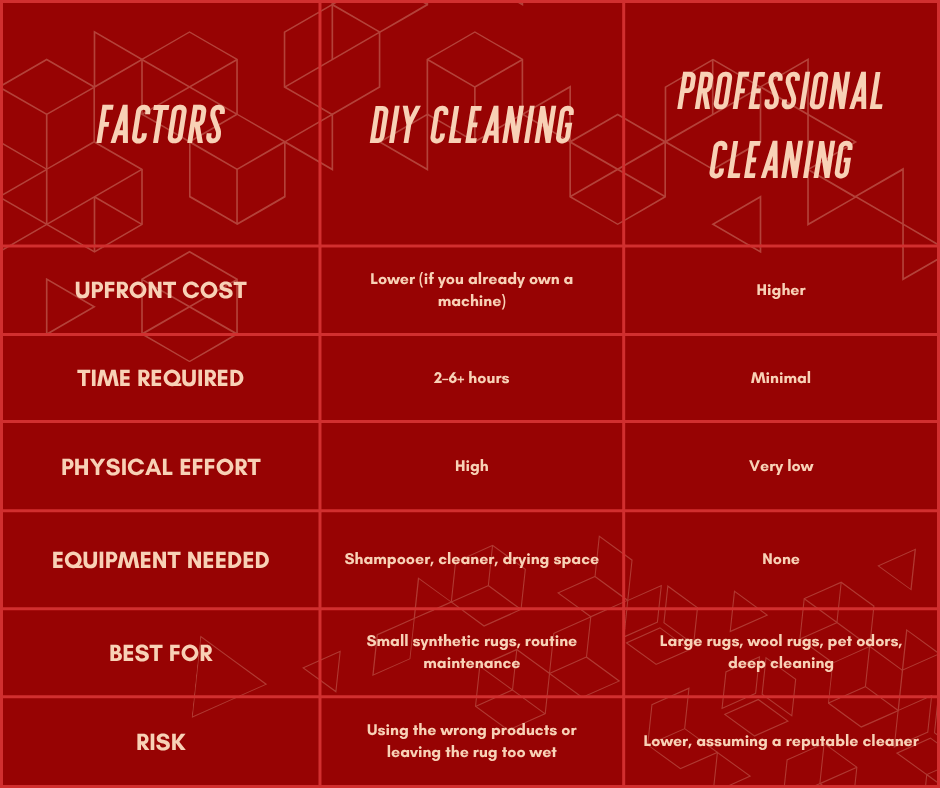
Professional Area Rug Cleaning... Is It Worth It?
That's up to you! It largely depends on your circumstances, your rug type, and why you want to clean it in the first place. If you're dealing with a small stain on a synthetic rug, a DIY solution may be all you need. If you're trying to remove years of built-up dirt, lingering pet odors, or you're cleaning a large or delicate rug, professional cleaning can save you a significant amount of time and often produce better results.
At the end of the day, the goal is to extend your area rug's life and make sure you're choosing the option that makes the most sense for your home and your budget.
If you're still unsure, there's no harm in asking. A reputable rug cleaning company should be able to evaluate your rug, explain your options, and tell you honestly whether professional cleaning is likely to be worth it. At New Way Carpet Cleaning, estimates are always free, so you can get expert advice before deciding how you'd like to move forward.
Looking for Area Rug Cleaning in West Virginia or Southeast Ohio?
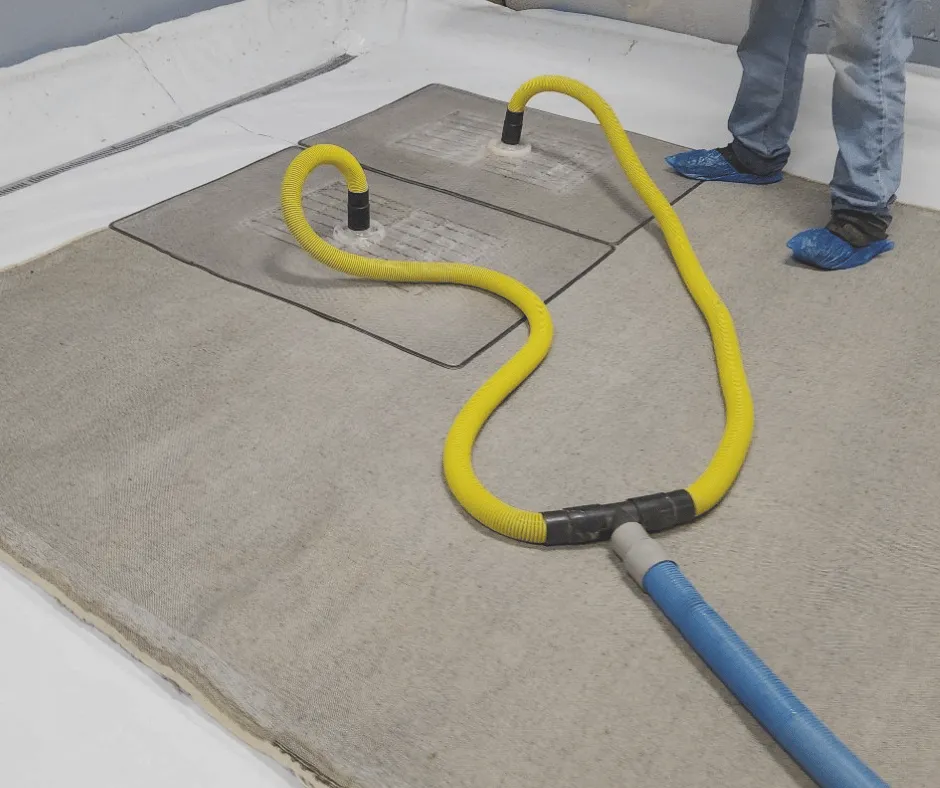
If you live in the Mid-Ohio Valley, New Way Carpet Cleaning has been helping homeowners restore area rugs for years. Whether you're dealing with pet odors, stubborn stains, everyday wear, or you're simply trying to freshen up a favorite rug, our team can recommend the cleaning method that's best for your specific rug. We're also the only carpet cleaners in the area with a dedicated rug cleaning pit!
We clean a wide variety of area rugs and understand that every rug is different. That's why we take the time to identify the rug's material, condition, and cleaning needs before recommending a solution.
If you're located in Parkersburg, Vienna, Williamstown, Belpre, Marietta, Ripley, or the surrounding communities throughout West Virginia and Southeast Ohio, we'd be happy to provide a free, no-obligation estimate and answer any questions you have about your rug.
Whether you decide to have it professionally cleaned or tackle it yourself, you'll know you're making an informed decision.



Contact Us:
262 Williams Hwy, Parkersburg, WV 26105
Office Hours: M-F: 9AM-5PM